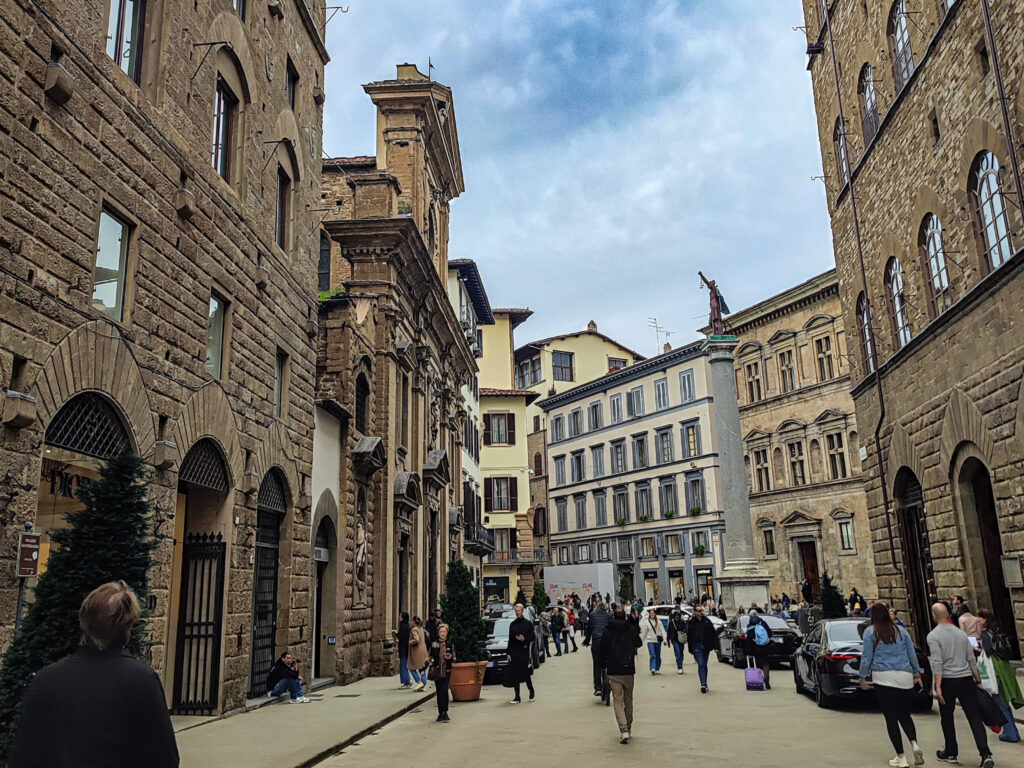
Our 6 Days Driving in Tuscany with all the tips and prices that you need to know.
There’s something special about exploring a destination by car.
Road trips give you complete freedom to travel at your own pace, stop whenever you want, and discover places that public transport simply can’t reach.
That’s exactly why we chose a road trip for our honeymoon in Costa Rica, and after that experience, we couldn’t wait to do it again in Italy.
Tuscany is one of the most beautiful regions we’ve ever visited. Rolling hills, medieval villages, vineyards, and scenic roads make it the perfect destination for a road trip. If you’re planning your own itinerary, you can read our complete Tuscany guide here.
But is driving in Tuscany actually worth it?
Is it expensive?
And what should you know before renting a car in Italy?
Here’s everything we learned from our own experience.
We booked our rental car through Centauro about a month before our trip, which helped us find one of the best prices. Since we were three people travelling with three large suitcases, we chose a compact car instead of the cheapest small model. The price difference was minimal, but the extra space made a huge difference during the trip.
One thing we never skip is full insurance. We always choose the highest coverage available because we’d rather enjoy our holiday than worry about unexpected costs.We also registered two drivers, making it easy to take turns during the longer drives.
Our trip started at Milan Bergamo Airport, where we picked up the car before heading south to Tuscany.
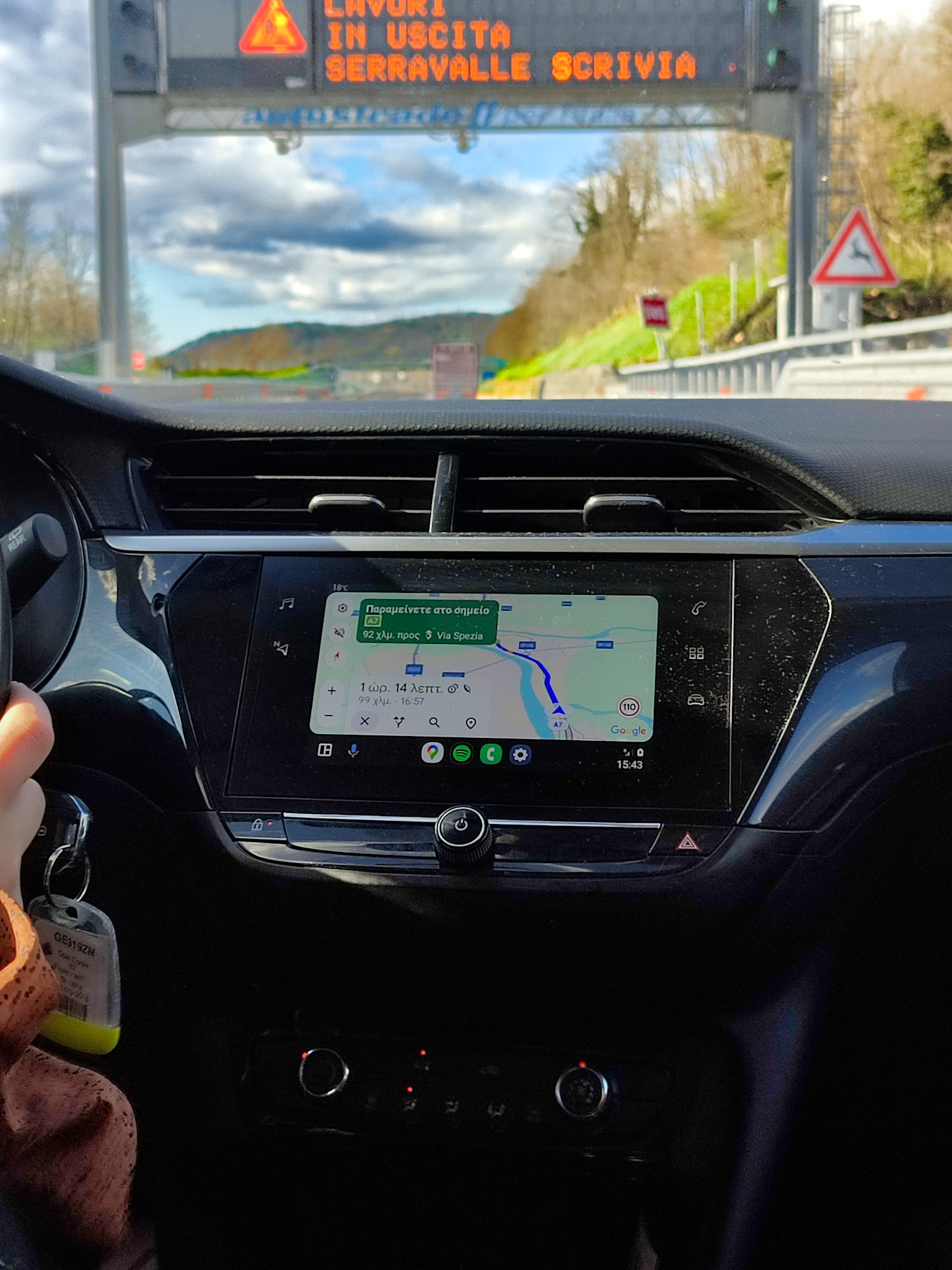
Driving out of Milan
Leaving Milan was straightforward, with well-signposted motorways and easy navigation.
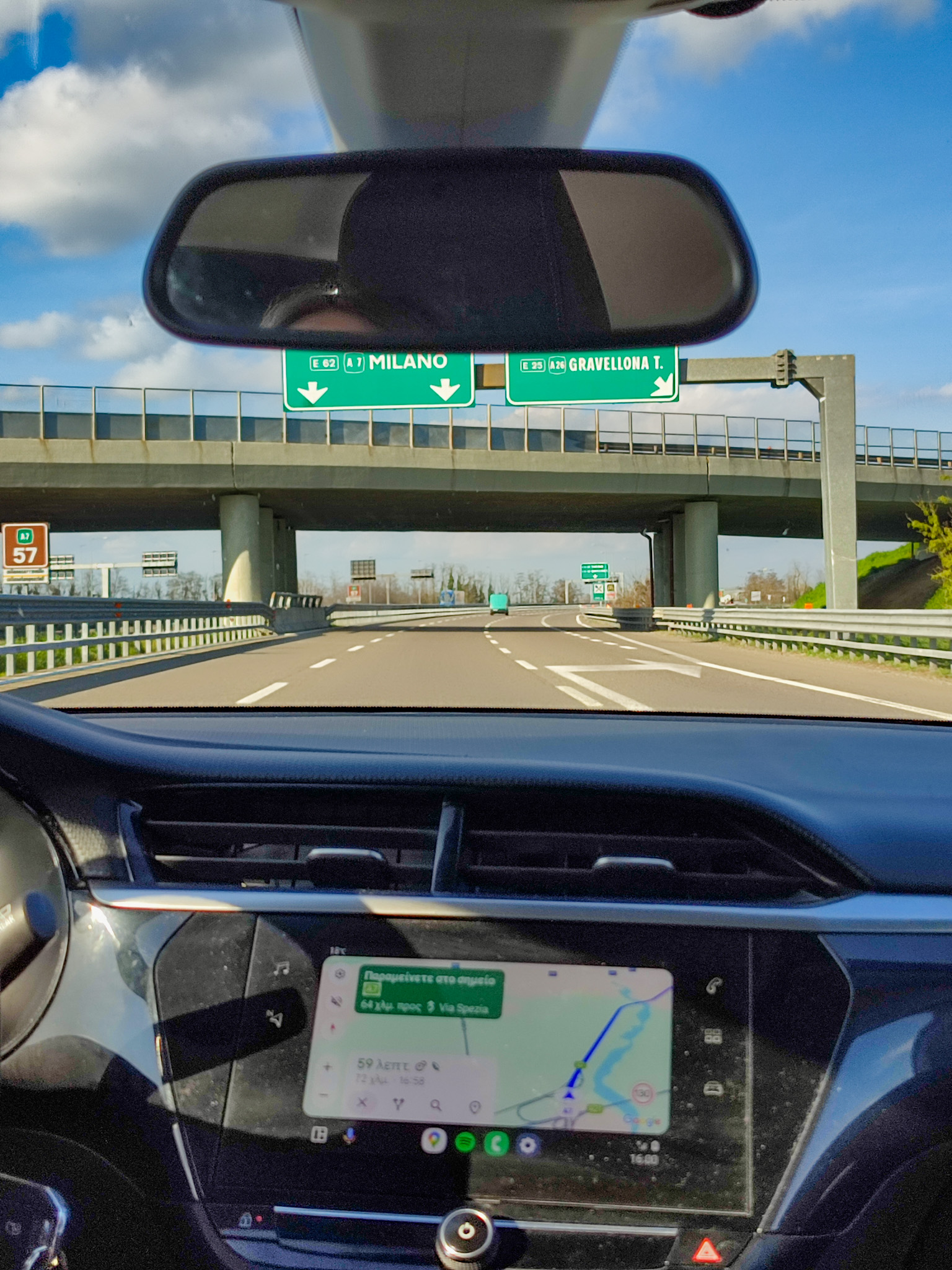
Heading towards Tuscany
The drive south offered beautiful scenery and well-maintained highways.
Driving Around Tuscany
The drive from Milan to Florence took around three hours, and from there our road trip really began.
We stayed in Florence and used it as our base while taking day trips to places like Siena, San Gimignano, Pisa, and several smaller villages.
Every day involved a few hours of driving, but honestly, that was part of the experience. The countryside is stunning, and even the roads between destinations are worth enjoying.
If you’re planning to explore more than just Florence, having a car is definitely worth it.
Parking
Parking turned out to be much easier than we expected.
Our accommodation in Florence included private parking, which made things very convenient.
For every other destination, we simply parked in public parking areas just outside the historic centres (and before entering the ZTL zones). Parking fees were generally low, and from there it was only a 5–10 minute walk into town.
Walking through these beautiful streets was part of the experience anyway, so we never saw it as an inconvenience.
One evening, however, we wanted to park closer to the city centre, so we used a parking garage inside the ZTL area. It cost around €10 per hour, which we found extremely expensive, so it’s definitely something to keep in mind if you’re travelling on a budget.
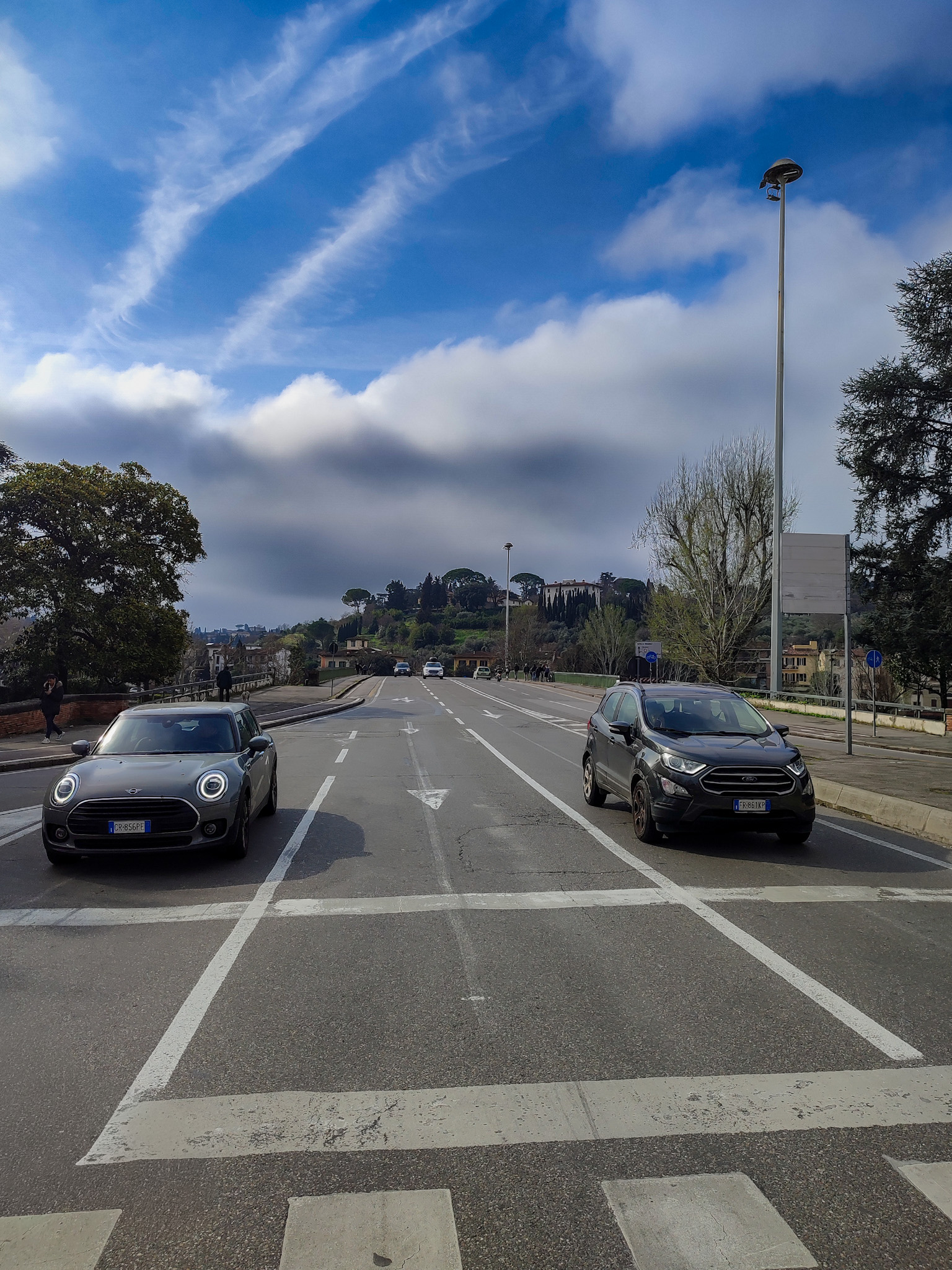
Urban Roads in Tuscany
Modern avenues quickly gave way to charming historic streets.
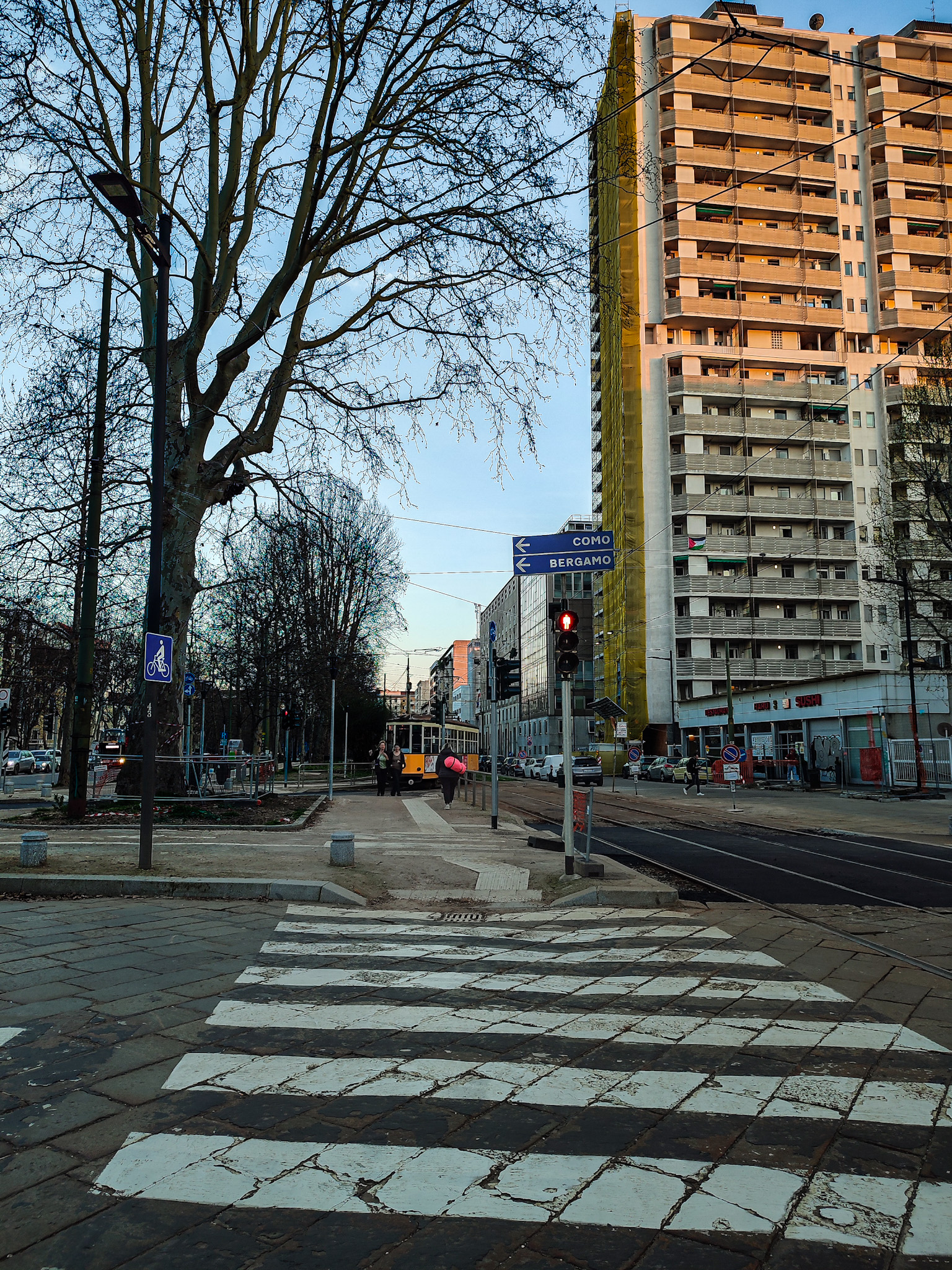
Exploring the City by Car
Getting around was easier than we expected outside the historic centre.
Fuel
Fuel costs were actually lower than we expected.
The drive from Milan to Florence is around 300 km each way, so even with the return journey and several day trips around Tuscany, fuel never became a major expense. During our trip, we explored Florence, Siena, San Gimignano, Pisa, and a few smaller villages, covering roughly 900–1,000 km in total.
Since there were three of us sharing the cost, we spent around €115 on fuel for the entire trip, which we thought was excellent value.
For a road trip covering roughly 900–1,000 km—including the drive from Milan to Florence and several day trips around Tuscany—you can expect to spend around €100 on fuel with a typical compact rental car.
The exact cost will depend on your vehicle and current fuel prices, but overall we found driving around Tuscany to be more affordable than we expected. If you’re travelling with friends or family, fuel is one of the easiest expenses to split, making a Tuscany road trip surprisingly affordable.
Tolls
If you’re driving from Milan to Florence, you’ll use the A1 Autostrada del Sole, Italy’s main motorway connecting the two cities.
The largest tolls of the trip were on this route, costing around €25 each way (approximately €50 in total for the round trip). Once we arrived in Tuscany, however, we encountered very few toll roads while exploring the region.
Overall, motorway tolls didn’t have a significant impact on our budget and were well worth paying for the time they saved.
Mobile Data & Navigation
We relied almost entirely on Google Maps throughout the trip, and it worked flawlessly.
I used my eSIM for mobile data, while travellers from other EU countries can simply use their regular mobile plan thanks to EU roaming, with no additional charges.
Having reliable internet made navigating through Tuscany incredibly easy, especially when driving through the countryside or visiting small villages.
ZTL Zones (Read This Before You Drive!)
If there’s one thing you absolutely need to know before driving in Italy, it’s ZTL zones.
These restricted traffic areas exist in many historic city centres, and entering one without permission can result in an expensive fine.
Unfortunately, we learned this the hard way and we received a fine ourselves.
The good news?
You don’t have to make the same mistake.
Because the rules can be confusing, I created a complete guide explaining exactly what ZTL zones are, how to recognise the signs, where you can park, and how to avoid getting fined.